
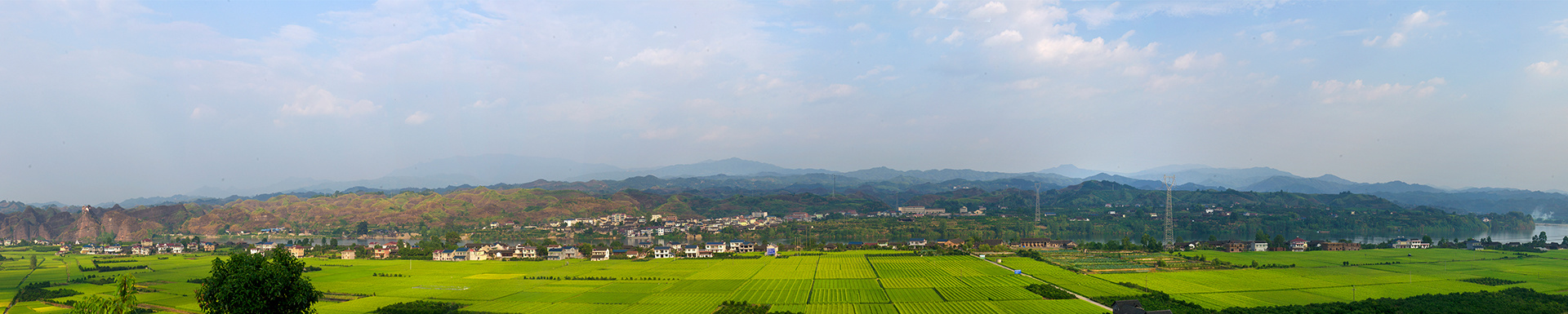
Field cultivation techniques
Seed soaking of high-quality rice
Four varieties, Liufuyou 1066, Tianliangyou 682 and Aofuyou 826, are planted as late rice. Before sowing on the same day, please check the local weather forecast. If there is no rain on the same day and the next day, you do not need to soak the seeds and directly sow dry grains. If there is moderate rain and heavy rain on the same day and the next day, wet grain shall be sown, that is, the seeds shall be soaked for 4-5 hours first, then washed repeatedly, and then seeded after being drained.. Now it is hot in summer, so there is no need to hasten germination. Sowing will naturally root and sprout quickly. Instead, it is easy to cook bags, slide grains and rett together!!
Budding method
It is suggested that high quality hybrid seeds should be soaked less and exposed more.
1. Soak the seeds for 5 hours for the first time (strengthen chloramine or amidamide), which must not exceed 6 hours, and then clean them repeatedly with clean water (clean them for 2-3 times, and be sure to clean them).
2. Dew for 10-12 hours after cleaning, drain the water and do not seal.
3. Soak the seed again for 1-2 hours, and then repeatedly clean it with clean water (clean it 2-3 times, and be sure to clean it).
4. Proper temperature for germination: must be wrapped in a breathable container, not a large pile. The temperature shall be strictly controlled at about 30-32 ℃ (18-24 hours for germination). Pay special attention to only covering with wet gunny bags or towels and clothes. Don't add water as often as possible. Keep the seeds as long as they are not too dry and a little wet. Pay attention to turning the bag frequently to prevent burning (key technology: 1. less soaking: 2. more dew; 3. clean; 4. proper temperature for germination; the seeds can't be too wet) Note: when soaking seeds for germination, you must use breathable bags to contain them.
Location: Luyang Town, Zhongfang County, Huaihua City
Tel.: 0745-8680128 2329168
Website: www.aplkj com
Email: opulent999@163.com 。
High yield cultivation techniques of C Liangyou 255
C Liangyou 255 has strong tillering ability, large growth, heavy panicles and large grains, high seed setting rate, and good color loss in late stage, which has obvious characteristics of super rice seed. To achieve high and stable yield, the main objectives should be to coordinate the construction of high-yield population, optimize population quality, ensure effective panicles, focus on large panicles, and improve seed setting rate. According to the characteristics and specific production conditions of the combination, various problems and contradictions in rice production should be coordinated to the maximum extent, and its species superiority and yield increasing potential should be fully exerted.
1. Timely and accurately sow and cultivate strong tillers
In Hunan, it is better to plant rice seeds in the first and middle of April. Sparely sow and evenly sow, strive for more tillers in the seedling field, cultivate short and strong seedlings with strong root activity, make them turn green quickly after transplanting and develop low tillers early, and lay the foundation for forming full panicles and large panicles. Control the seeding amount in the seedling field and the amount of seed used in the field. The seeding amount in the seedling field is 90~105kg/hm2, and the amount of seed used in the field is 10.5~12.0kg/hm2. Before seed soaking, the seeds shall be turned over and selected. The seeds shall be soaked less and exposed more. The seeds shall be soaked and sterilized with strong chlorine essence for 8~10h to prevent diseases such as bakanae. High temperature shall break the chest, moisturize and accelerate germination, and low temperature shall be used to air the buds to ensure rapid, neat, uniform and strong germination. Deep application of 10.5t of decomposed organic fertilizer and 600kg of 25% compound fertilizer as base fertilizer per hectare of seedling field, application of 90kg of urea and 75kg of potassium chloride as weaning fertilizer per hectare after rehydration in 2-leaf stage, and application of 75kg/hm2 of urea as feeding fertilizer 4~5d before transplanting to promote the emergence of new roots of seedlings. After sowing, do a good job of dry and wet rooting and shallow water to promote tillering. When one leaf and one heart is used, spray 150 kg of 15% paclobutrazol on 450 kg of water per hectare of seedling field to promote seedling growth and tillering. Attention shall be paid to the prevention and control of diseases and insect pests of rice thrips and other rice seedlings.
2. Transplant at the right age and reasonably determine the basic seedlings
The seedling age should be controlled within 30 days, and early transplanting in time can prolong the field growth period and make full use of the field light energy. The basic seedling is the starting point of the high-yield population. Determining a reasonable basic seedling is an extremely important link to establish a high-yield population, which is conducive to improving the population quality throughout the growth period. The planting density in the field is 20cm x 30cm, with 2 grains of rice seedlings and 5~6 seedlings planted per hill, and 800000~1000000 basic seedlings planted per hectare.
3. Fertilizer promotes water regulation, and fertilizer and water quantitative regulation and management
C Liangyou 255 is resistant to fertilizer and lodging, with obvious yield advantage. According to the target yield of 12.32t/hm2, the general fertilization amount of medium fertility rice field is N210kg, P2O5105kg and K2O 210kg per hectare. Based on the determination of the total amount of fertilizer, the growth status of rice in each growth period and the dynamic demand for various nutrients are followed The supply of soil nutrients in different fields, the principle of balanced formula fertilization, reasonable combination of organic fertilizer and inorganic fertilizer in the whole process, heavy application of base fertilizer (accounting for 50% - 60% of the total amount of fertilizer), early application of topdressing (accounting for 30% - 40% of the total amount of fertilizer) Apply ear and grain fertilizer as appropriate in the later stage (10% of the total amount of fertilizer application, properly control the application of nitrogen fertilizer to ensure effective panicles, promote large panicles and grains, and improve the seed setting rate. The base fertilizer is 25% of compound fertilizer 750kg per hectare and decomposed organic fertilizer 10-12t in combination with harrowing; in 5-8 days after transplanting, in combination with chemical weeding, 120kg of urea and 45kg of potassium chloride per hectare are are used as green returning and tillering fertilizer; in the second stage of young spike differentiation, 60kg of urea and 105kg of potassium chloride per hectare are used as tillering fertilizer; in the later stage, after the sun drying and rehydration, it depends on the growth of the seedlings Depending on the situation, ear grain fertilizer should be applied, and potassium dihydrogen phosphate or grain filling should be sprayed on the leaves in the afternoon at the earing stage and full heading stage to prolong the life of functional leaves, improve the seed setting rate and grain plumpness.
In terms of water slurry management, shallow water planting, deep water living stump, shallow water and wet alternate irrigation are required to promote early low position tillering. When the number of stems and tillers reaches 80% of the set maximum number of seedlings, timely sun the field and control seedlings to inhibit ineffective tillers, keep the ear position neat, control leaf growth, promote leaf erection, improve the field ventilation and transparency, promote root and root, strengthen the rod, prevent lodging, and have water booting and heading, During the filling and fruiting period, dry, wet and aerobic irrigation shall be carried out to improve root activity and delay root senescence, so as to raise roots with water, raise leaves with roots, and strengthen seeds with leaves, and improve the photosynthetic production capacity of the population in the middle and late stages. Water supply should be cut off 7 days before harvest. It is forbidden to cut off water too early to affect grain plumpness.
4. Prevention first, comprehensive pest control
According to the occurrence rules of local pests and diseases and the forecast of pests and diseases, the corresponding pesticides shall be selected in each key growth period to timely control pests and diseases. Disease and insect pests are mainly prevented, supplemented by chemical prevention, and comprehensively controlled. First, through the above technical approaches of reasonably determining the basic seedlings, quantitative regulation and management of fertilizer and water, an appropriate population structure is established to enhance the resistance of rice by improving its own physiological quality; The second is to use chemical and biological pesticides to prevent and control the rice stem borer, the rice stem borer, the rice leaf roller and the rice planthopper in a timely manner, and pay attention to the prevention of rice blast and sheath blight.
Field cultivation technology: key points of field high-yield cultivation technology Machine planting field high-yield cultivation technology

Follow Me Seed
Follow Me Seed
Address: Luyang Town,ZhongFang County,Huaihua City,Hunan Province,China
Follow Me Rice
Follow Me Rice
Follow Me Rice